

GE HealthCare Technologies Inc. delivered its fourth quarter and full-year 2025 financial results, demonstrating revenue growth across key segments and resilience amid global trade challenges. The company’s performance reflected solid demand in diagnostic imaging, pharmaceutical diagnostics and advanced visualization solutions, albeit with margin pressures caused by tariff headwinds.
Quarterly Performance Snapshot
For the quarter ended December 31, 2025:
-
Revenues rose to $5.7 billion, up ~7.1% year-over-year, including ~4.8% organic revenue growth — driven by strength in Imaging, Pharmaceutical Diagnostics (PDx) and Advanced Visualization Solutions (AVS).
-
Net income was $589 million, modestly lower than prior year, while Adjusted EBIT reached $950 million, under pressure from tariff costs and mix.
-
Net income margin contracted to 10.3% from the prior period; Adjusted EBIT margin declined to 16.7%.
-
Diluted EPS was $1.29, and Adjusted EPS came in at $1.44, essentially flat with prior year, tempering tariff-related headwinds.
-
Orders grew modestly, and book-to-bill remained above parity, reflecting continued capital investment demand from healthcare providers.
These results surpassed many Wall Street revenue and earnings forecasts and helped support investor confidence in the quarter.
Segment Breakdown & Drivers
GE HealthCare’s diversified portfolio showed varied performance across its key business lines:
1. Imaging
-
Continued demand for CT, X-ray and PET systems supported top-line growth in the Imaging business with ~6.6% year-over-year revenue gains.
-
Growth was underpinned by capital equipment purchases by hospitals and diagnostic centers, particularly in the U.S. and EMEA.
2. Pharmaceutical Diagnostics (PDx)
-
PDx delivered strong double-digit organic growth, positioning GE HealthCare as a competitive supplier of contrast agents and diagnostic reagents — an area of recurring revenue.
3. Advanced Visualization Solutions (AVS)
-
AVS maintained healthy mid-single-digit upsides, propelled by adoption of software and analytics tools that enhance imaging efficiency and interpretation accuracy.
4. Patient Care Solutions
-
This segment lagged slightly, reflecting competitive pressures and cost headwinds in some service lines, although overall contribution remained stable.
Market Trends & Operational Factors
-
Tariff headwinds & costs: Global trade tariffs materially impacted margins, costing the business an estimated ~$100 million in the quarter. Despite this, GE HealthCare’s commercial execution and pricing partially mitigated impacts.
-
Capital investment demand: Elevated demand for diagnostic hardware and integrated software suites from healthcare systems, particularly in diagnostic imaging, remained a key revenue driver.
Market commentary from analysts applauded the revenue beat while noting that margins remain sensitive to global trade and supply chain dynamics.
Full Year 2025 Context
While the Q4 results highlight the quarter’s momentum, the full year 2025 picture also showed:
-
Annual revenues rising as capital budgets normalized post-pandemic.
-
Adjusted EBIT margin for the full year was slightly lower year-over-year due to cumulative tariff effects.
-
Adjusted EPS for 2025 improved modestly compared with 2024, underlining disciplined execution despite external headwinds.
These trends demonstrate that GE HealthCare’s core operational strength persists even as macroeconomic uncertainties continue to influence profitability.
Strategic and Growth Initiatives
GE HealthCare is advancing several strategic priorities that intersect with its financial outlook:
Innovation & R&D:
-
Continued investment in advanced imaging, AI-enabled diagnostics, and cloud-based workflows is central to long-term growth.
M&A:
-
The planned $2.3 billion acquisition of Intelerad, a cloud imaging software provider, aims to accelerate expansion into outpatient care and enhance recurring software-driven revenue streams.
Global expansion:
-
Strong demand in the U.S. and EMEA underpinned performance; ongoing efforts to regain momentum in Asia will be watched closely.
These moves signal GE HealthCare’s intent to balance hardware leadership with software, services and data-driven solutions.
CEO Commentary & Strategic Messaging
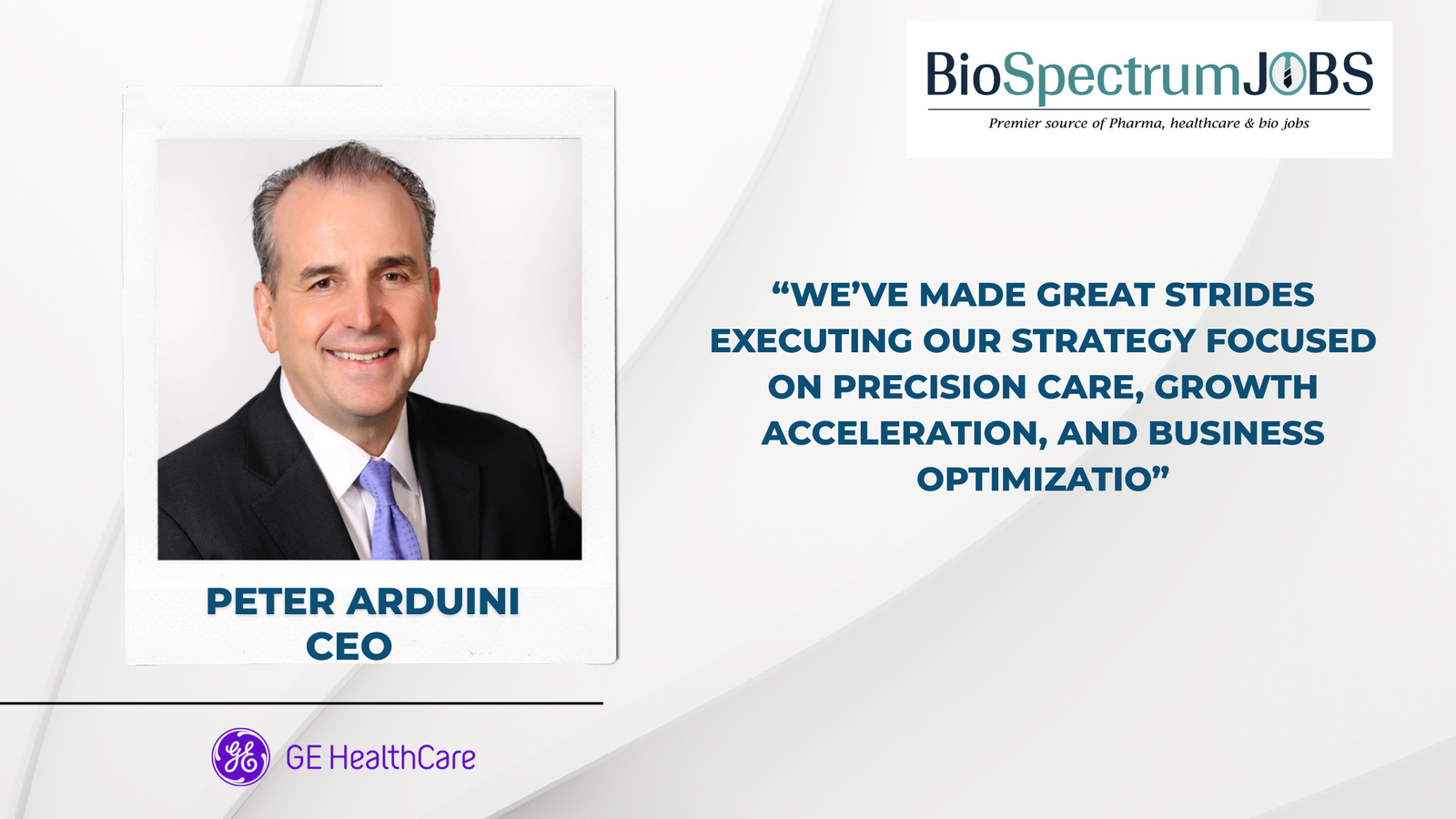
GE HealthCare President and CEO Peter Arduini emphasized that disciplined execution, strong commercial performance, and resilient demand underscore the company’s strategic direction, even amid tariff headwinds. He highlighted investment in innovation and customer-centric solutions as core to future growth.
Arduini’s messaging reinforces that short-term external pressures (e.g., trade barriers) are being managed while long-term competitive advantages — advanced diagnostics, analytics and recurring revenue streams — continue to strengthen.
Outlook & Market Positioning
Looking ahead:
-
2026 profit guidance is projected above Wall Street estimates, with expected organic revenue growth of ~3–4% and adjusted EPS forecasts exceeding consensus.
-
Continued investments in outpatient care platforms, software, AI and recurring services should support sustainable demand.
These projections underscore GE HealthCare’s balanced approach to growth and profitability, as it navigates macro pressures while advancing strategic initiatives.
In Q4 and full-year 2025, GE HealthCare delivered resilient revenue growth, stabilized EPS performance, and advanced strategic priorities despite headwinds from tariffs and mix shifts. With strong capital equipment demand, robust diagnostic solutions and emerging software capabilities, the company is positioning itself for modest but sustainable growth in 2026 and beyond.